Twenty-nine genera with 140 species were described world-wide in 2021. In Australia one can find 13 genera with 48 species.
Many Miturgidae spiders are nocturnal, they live on the ground and are cryptic
what means; tending to conceal or camouflage.
Most spiders of this family hide and guard their eggs in a sac-like retreat under rock or other debris.
|
|
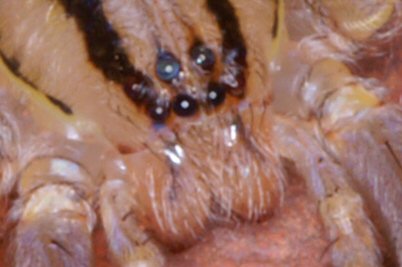
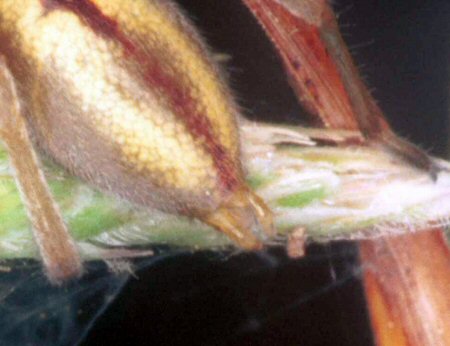
| Eye pattern frontal view | Four spinners, two spinner with two segment the other two spinner conical |
Genus Argoctenus
Ten species are represented in Australia, one in New-Zealand and one in New Guinea.
The spider resembles the Pardosa genus of the family Lycosidae.
The striking difference is the narrowed carapace (head) of this spider. Also the arrangement of the eyes is a little different.
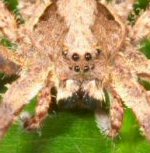
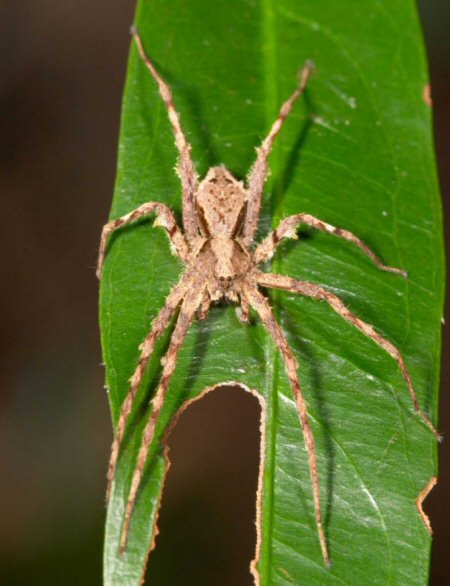
Argoctenus sp. ZZ287
Genus Miturga
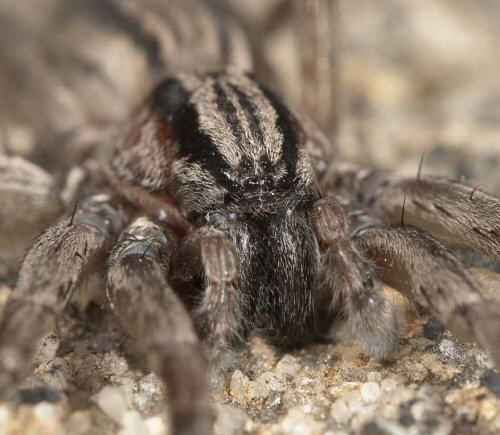
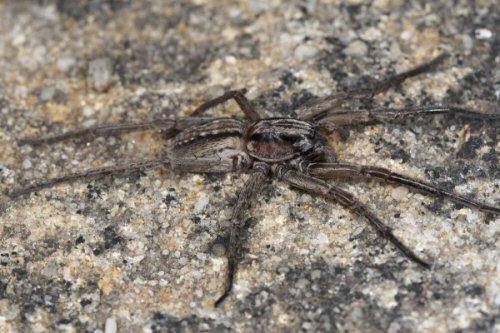
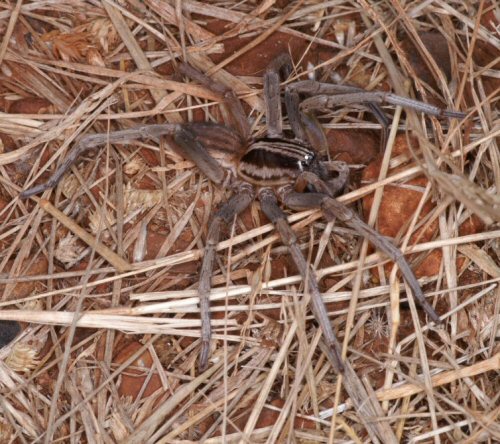
The genus Miturga is the largest genus of this family in Australia with 17 species described in 2021.
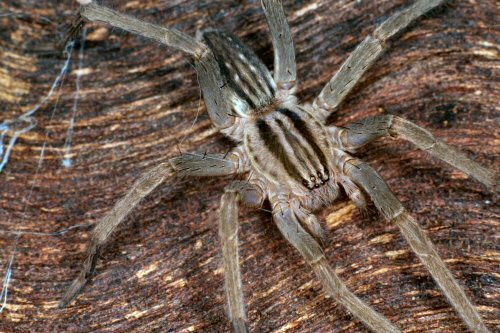
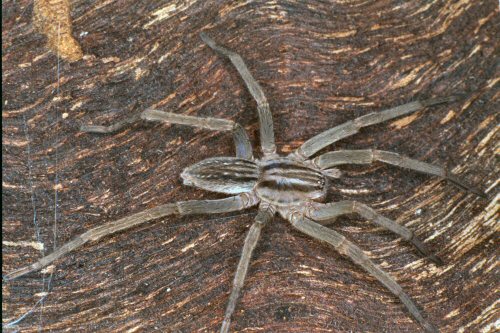
Some species can have a length of 15 to 20 mm and can be called large.They are coloured brown with black and they resemble Lycosids, wolf spiders, but their eye-setting is different.
Miturga lineata is mostly brown ang gray with a band pattern along the spider. The male are 12-18 mm long and the females 15-18 mm. The spider occurs in WA, SA, NSW, Vic and Tas.
  |
|
| Miturga lineata | |
|
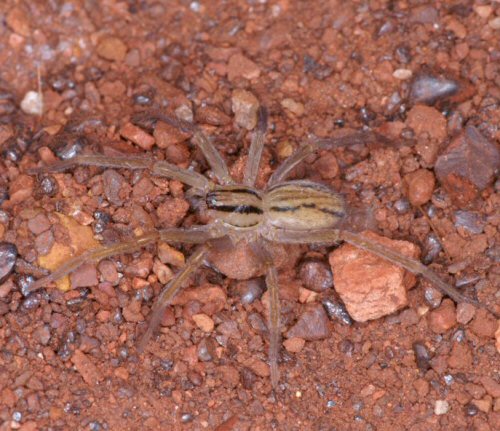 |
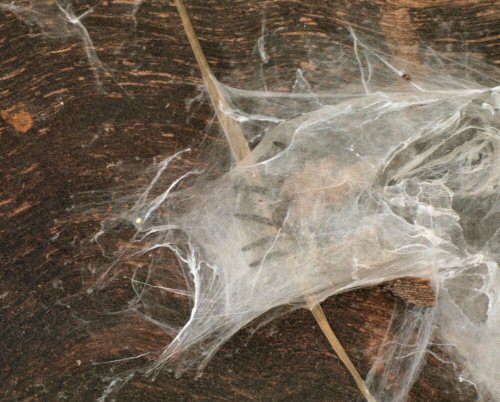
| Miturga lineata in hiding place | Miturga lineata ? |
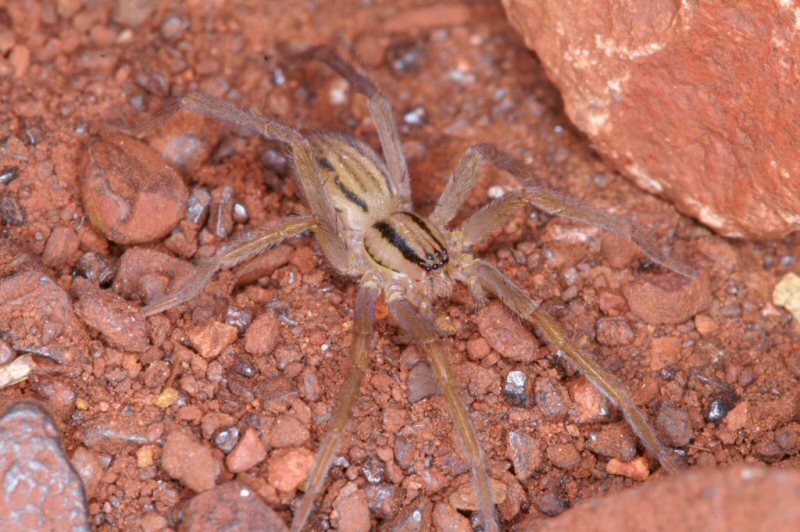 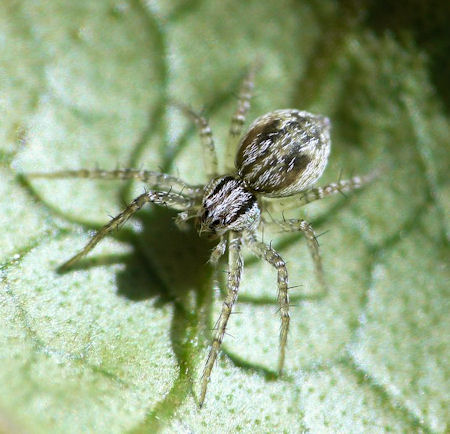 |
|
| Miturga lineata ? | Miturga lineata juvenile (Photo Robert Whyte) |
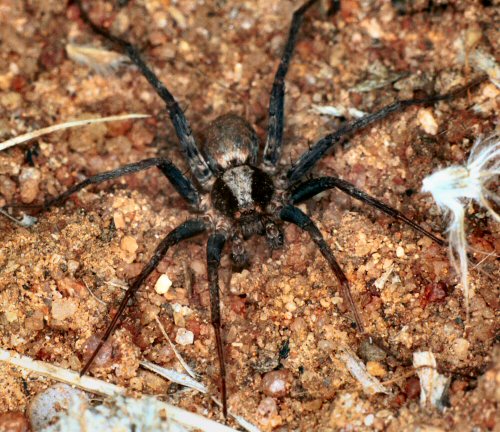 |
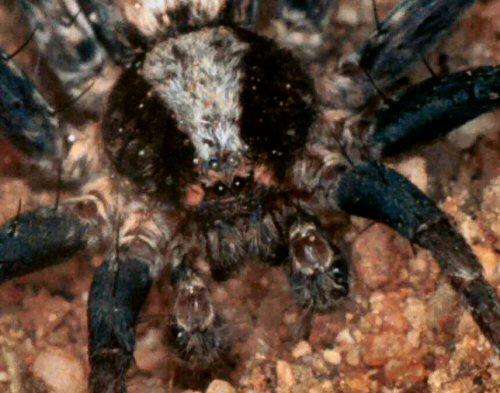 |
| Miturga ZZ013 | Miturga ZZ013 |
 |
 |
| Miturga ZZ344 by Jurgen Otto | Miturga ZZ344 by Jurgen Otto |
 |
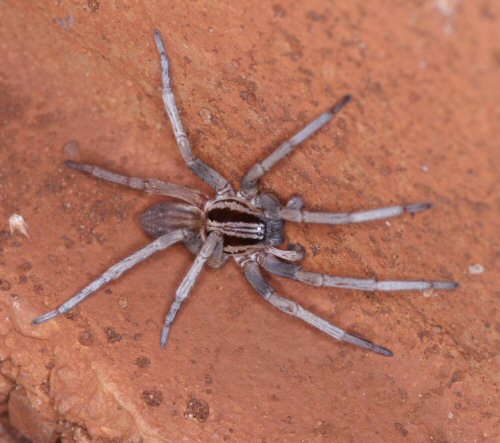 |
| Miturga ZZ345 | Miturga ZZ345 |
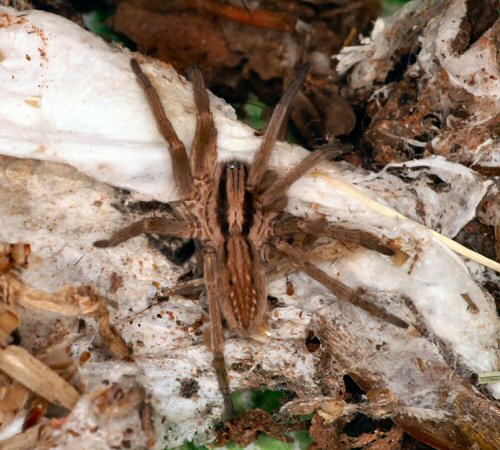 |
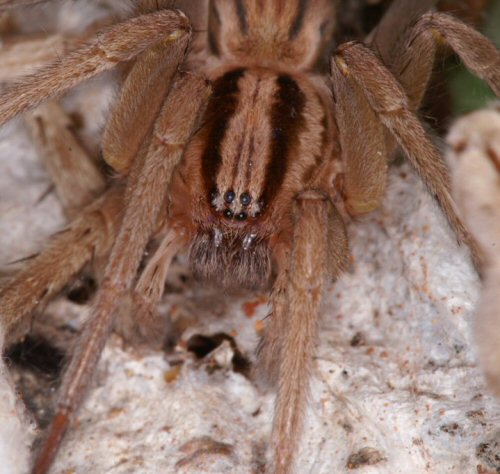 |
| Miturga ZZ346 | Miturga ZZ346 |
Genus Mituliodon (was Uliodon)
| A fast running spider that resembles a Miturga lineata (see
above) spider. Males are 11 mm and females 15 mm in length |
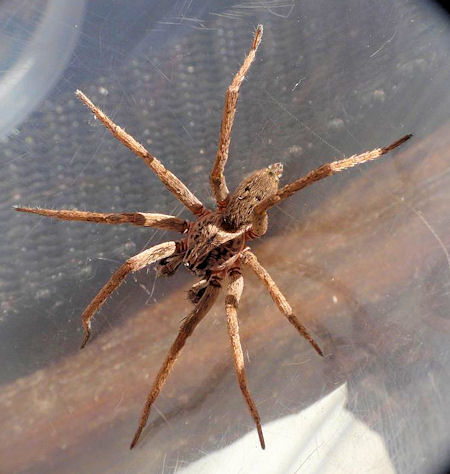 |
| Mituliodon tarantulinus (Photo Robert Whyte) | |
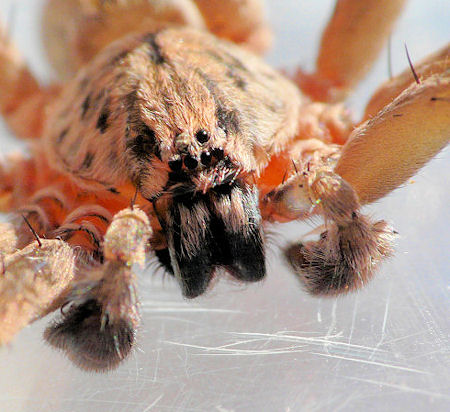 |
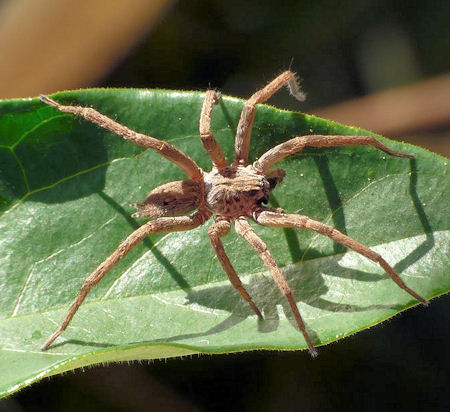 |
| Mituliodon tarantulinus (Photo Robert Whyte) | Mituliodon tarantulinus (Photo Robert Whyte) |
Genus Thasyraea
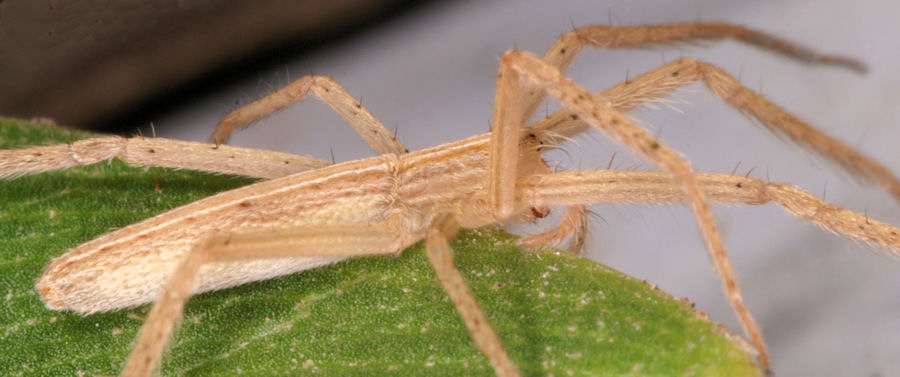
Thasyraea lepida
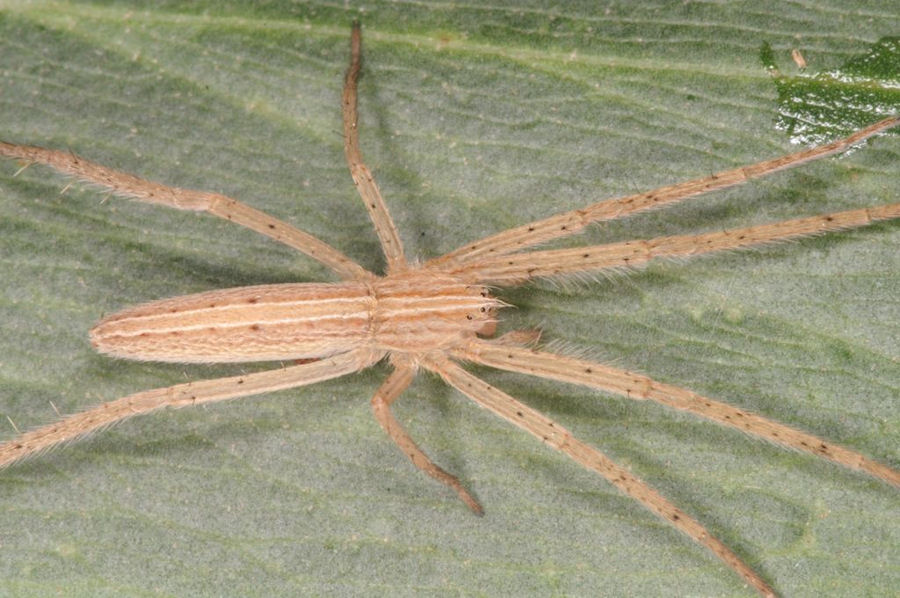
Two species in this genus. Thasyraea ornata and Thasyraea
lepida.
|
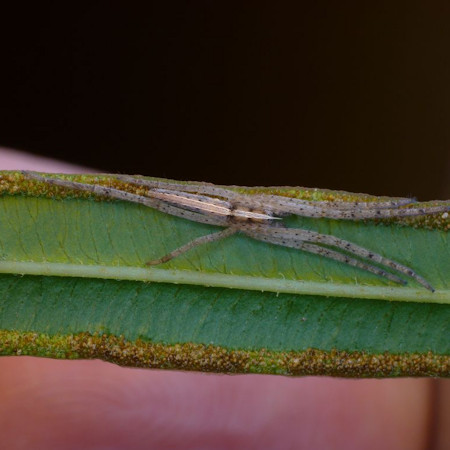 Thasyraea ornata (Photo Robert Whyte) |
 |
|
| Female Thasyraea lepida | |
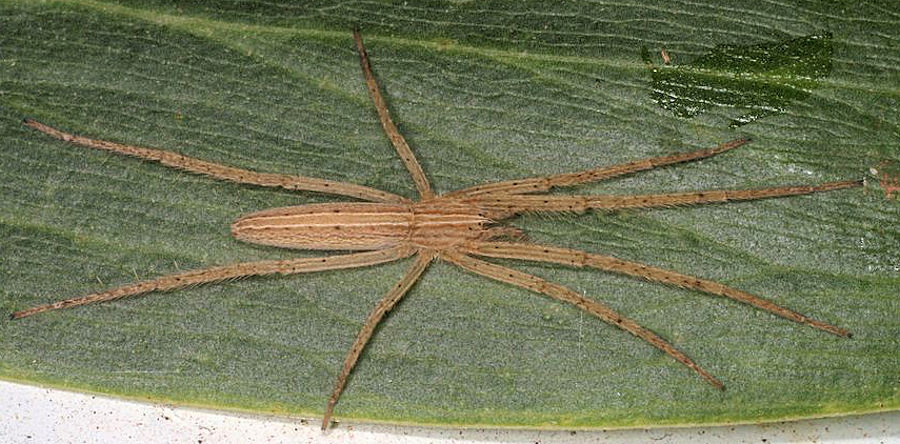 |
|
| Female Thasyraea lepida | |
Ed Nieuwenhuys, 22 march 2023
13 September 2021,
18 nov 2017,
8 November 2016 ,
26 February 2011 ,
January 4, 2009,
12 December 2006